Someone mentions they use a "bot" to track prices online, and the reaction ranges from "that is smart" to "is that legal?" to "how do I get one?" The word "bot" covers everything from helpful automation tools to aggressive software that buys out entire product inventories before real shoppers can click "Add to Cart."
The confusion is understandable. A sneaker bot that purchases limited-edition Jordans in milliseconds, a price monitoring tool that alerts you when a TV drops below $500, and a web scraper that extracts product data from thousands of pages are all called "bots." But they work differently, serve different purposes, and carry very different ethical and legal implications.
This guide breaks down the different types of web bots, explains how each works, clarifies where monitoring tools fit in the spectrum, and helps you understand when you need a bot versus when a monitoring tool is the right choice.
What Is a Bot?
At the most basic level, a bot (short for "robot") is software that performs automated tasks on the internet. Bots account for a significant portion of all web traffic. Many are benign or beneficial: search engine crawlers that index websites, chatbots that answer customer questions, and monitoring tools that check for changes.
The defining characteristic of a bot is automation. Instead of a human performing an action (visiting a page, clicking a button, filling out a form), software does it. Some bots perform actions a human would do but faster. Others perform actions at a scale no human could match.
Good Bots vs Bad Bots
The distinction between "good" and "bad" bots is not always clear-cut, but some categories are well-established.
Good bots include:
- Search engine crawlers (Googlebot, Bingbot) that index the web
- Uptime monitoring bots that check if websites are working
- Price monitoring tools that track publicly displayed prices
- Accessibility checkers that verify websites meet standards
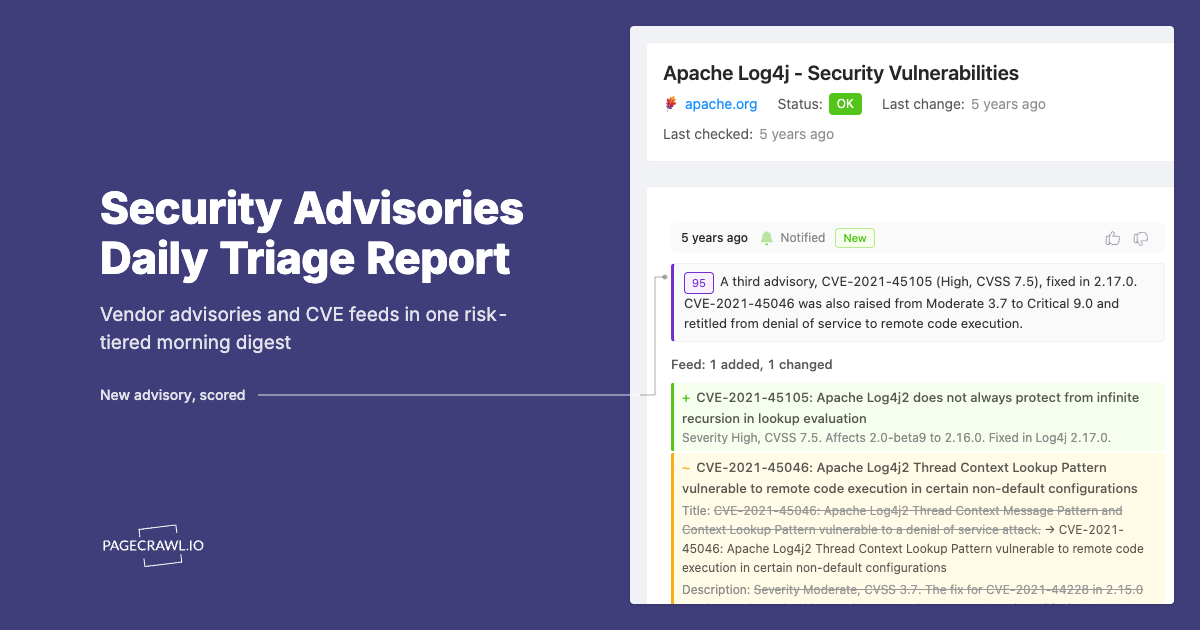
- Security scanners that identify vulnerabilities
Bad bots include:
- Credential stuffing bots that try stolen passwords across websites
- Spam bots that post unwanted content
- DDoS bots that overwhelm servers with traffic
- Inventory hoarding bots that purchase products to resell at inflated prices
- Content scraping bots that steal and republish copyrighted material
Gray area bots include:
- Sneaker bots (automated purchasing for resale, legal but controversial)
- Data scraping bots (extracting publicly available data, legality varies)
- Ticket bots (automated ticket purchasing, illegal in some jurisdictions)
What is a sneaker bot?
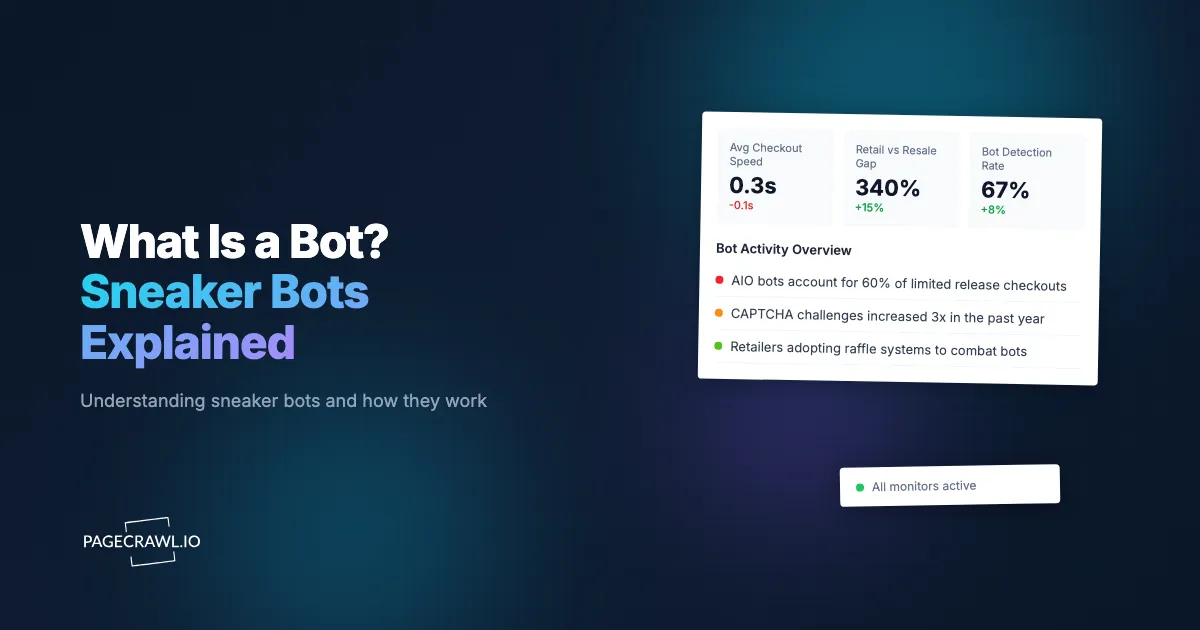
A sneaker bot is software that watches a limited-release product page and completes the purchase automatically the second stock appears, faster than any human can click. It is the most well-known and most controversial type of consumer bot, and understanding how it works illuminates the broader bot landscape.
What Sneaker Bots Do
A sneaker bot is software designed to purchase limited-release sneakers faster than a human can. When Nike, Adidas, or another brand releases a limited shoe, the bot:
- Monitors the product page for the release to go live
- Automatically adds the product to cart the instant it becomes available
- Fills in shipping and payment information
- Completes the checkout process
The entire sequence happens in seconds or less. Human shoppers are still reading the product description while the bot has already completed the purchase.
How Sneaker Bots Work
Modern sneaker bots are sophisticated software with multiple components:
Task creation: The user configures which products to target, sizes to purchase, and quantities. Advanced bots support running multiple tasks simultaneously across different products and sizes.
Proxy support: Bots use multiple IP addresses to avoid detection. Sending hundreds of requests from a single IP address gets blocked immediately. Proxies distribute the requests across many addresses.
CAPTCHA solving: Retailer websites use CAPTCHAs to distinguish humans from bots. Sneaker bots integrate with CAPTCHA solving services (both automated and human-powered) to bypass these challenges.
Checkout automation: The bot fills in pre-saved payment and shipping details and submits the order. Some bots use browser automation to mimic human behavior. Others interact directly with the retailer's checkout API, bypassing the web interface entirely.
Speed optimization: Everything is optimized for speed. Bots pre-load payment tokens, cache session data, and use server infrastructure geographically close to the retailer's servers to minimize latency.
The Sneaker Bot Economy
Sneaker bots are a significant industry:
- Bot software is sold as an annual licence, often costing hundreds or even thousands of dollars
- Users pay separately for proxy services and CAPTCHA solving services
- "Cook groups" (paid Discord communities) share release information and bot configurations
- Successful bot users resell limited sneakers for substantial profit
- Some users run bot setups costing thousands of dollars per month
The economics work because sought-after limited sneakers resell for several times their retail price. When a shoe that sold out at retail changes hands for double or triple that, the investment in bot infrastructure pays for itself.
Retailer Counter-Measures
Retailers fight sneaker bots with increasingly sophisticated defenses:
- Drawing/raffle systems: Nike SNKRS uses a drawing system where purchase is lottery-based rather than first-come-first-served, reducing the bot speed advantage
- Queue systems: Some retailers implement virtual queues that randomize order rather than rewarding speed
- Advanced bot detection: Behavioral analysis, device fingerprinting, and machine learning models identify non-human purchase patterns
- Purchase limits: Restricting purchases to one per account, per address, or per payment method
- Manual verification: Requiring identity verification or in-store pickup
These measures make botting harder but have not eliminated it. The cat-and-mouse game between bot developers and retailers continues.
Is Using a Sneaker Bot Legal?
In most jurisdictions, using a sneaker bot to purchase products is not explicitly illegal, though it exists in a legal gray area:
- Terms of Service violations: Most retailer websites prohibit automated purchasing in their terms of service. This is a contractual issue, not a criminal one. Accounts used with bots risk being banned.
- BOTS Act (US): The Better Online Ticket Sales Act of 2016 made it illegal to use bots to circumvent ticket purchasing controls, and it is enforced by the Federal Trade Commission. This applies specifically to event tickets, not general retail products. However, it established precedent that automated purchasing circumventing controls can be regulated.
- Consumer protection laws: In some jurisdictions, bulk automated purchasing for resale may run afoul of consumer protection or scalping laws.
- Fraud considerations: Using stolen payment methods or fake identities with bots is clearly illegal regardless of the bot itself.
The legal landscape continues evolving as regulators respond to the growing impact of automated purchasing on consumers.
Ethical Concerns
Beyond legality, sneaker bots raise ethical questions:
- They give wealthy users (who can afford bot infrastructure) an unfair advantage
- Regular consumers cannot compete, leading to frustration and exclusion from products they want to buy at retail price
- Bot-driven demand inflates resale prices, making sneakers less accessible
- They consume retailer infrastructure resources (server capacity, bandwidth)
- The environmental impact of running thousands of automated sessions for a single release is non-trivial
Price Monitoring Bots and Tools
Price monitoring operates in a fundamentally different space than sneaker bots, even though both are sometimes called "bots."

What Price Monitoring Does
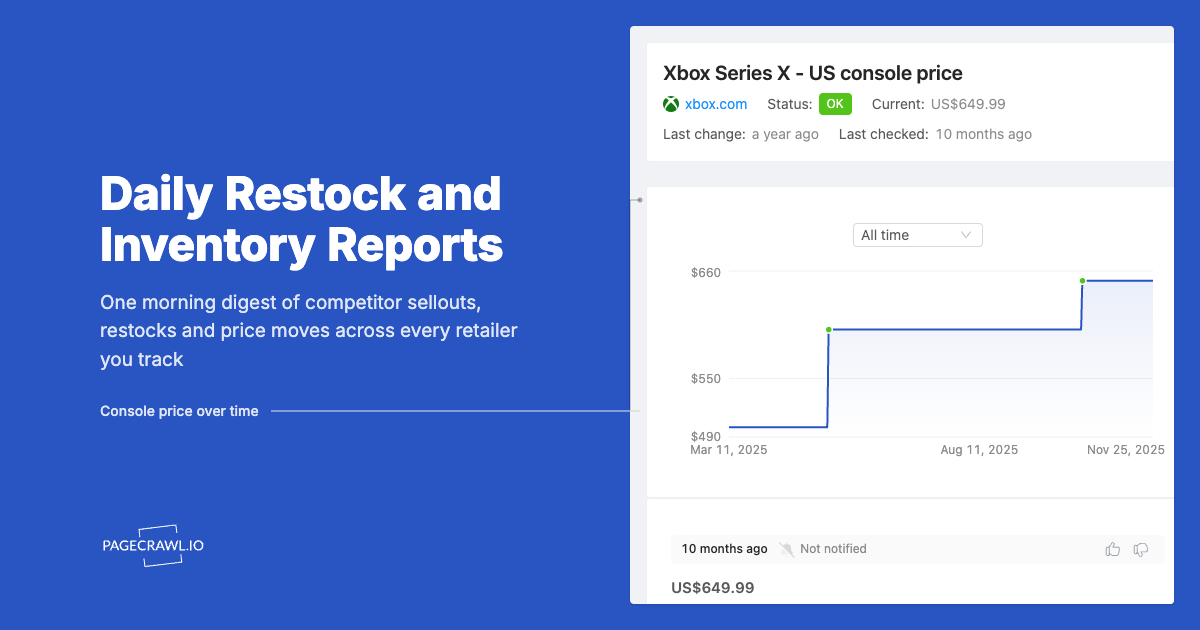
Price monitoring tools check product pages on a schedule and record the displayed price. When the price changes, they notify you. No purchasing happens. No checkout automation. No cart manipulation.
The process:
- Visit a product page
- Read the displayed price
- Compare it to the previously recorded price
- If it changed, send a notification
This is functionally identical to a human visiting the page and checking the price, just automated and consistent.
DIY Price Bots (Scripts)
Technical users sometimes build their own price monitoring scripts. A basic price bot might be a Python script that:
1. Sends an HTTP request to a product page
2. Parses the HTML to find the price element
3. Compares to the last known price
4. Sends an email if the price changed
5. Runs on a timer (every hour, every 6 hours)
This works for simple cases but has significant limitations:
- Maintenance burden: Website changes break scripts. CSS selectors change, page structures reorganize, and new elements interfere with parsing. You spend more time fixing the script than it saves you.
- Bot detection: Websites block simple HTTP requests that do not render JavaScript. Many modern websites (including Amazon, Walmart, and most major retailers) require full browser rendering to display prices. Simple scripts see empty pages.
- No notification infrastructure: Building reliable notifications (email delivery, push notifications, webhook integrations) adds significant complexity.
- No historical data: Scripts typically check and alert, without storing historical price data for analysis.
- Scaling problems: Monitoring 5 products with a script is manageable. Monitoring 50 or 500 products requires infrastructure that goes beyond a simple script.
For a deeper comparison of building your own monitoring versus using managed services, see our guide on web scraping vs web monitoring.
Managed Price Monitoring Tools
Tools like PageCrawl provide price monitoring as a service. Instead of writing and maintaining scripts, you configure monitors through a web interface and receive notifications through your preferred channels.
The advantages over DIY scripts:
- Reliable page rendering: Managed tools handle modern JavaScript-heavy websites automatically
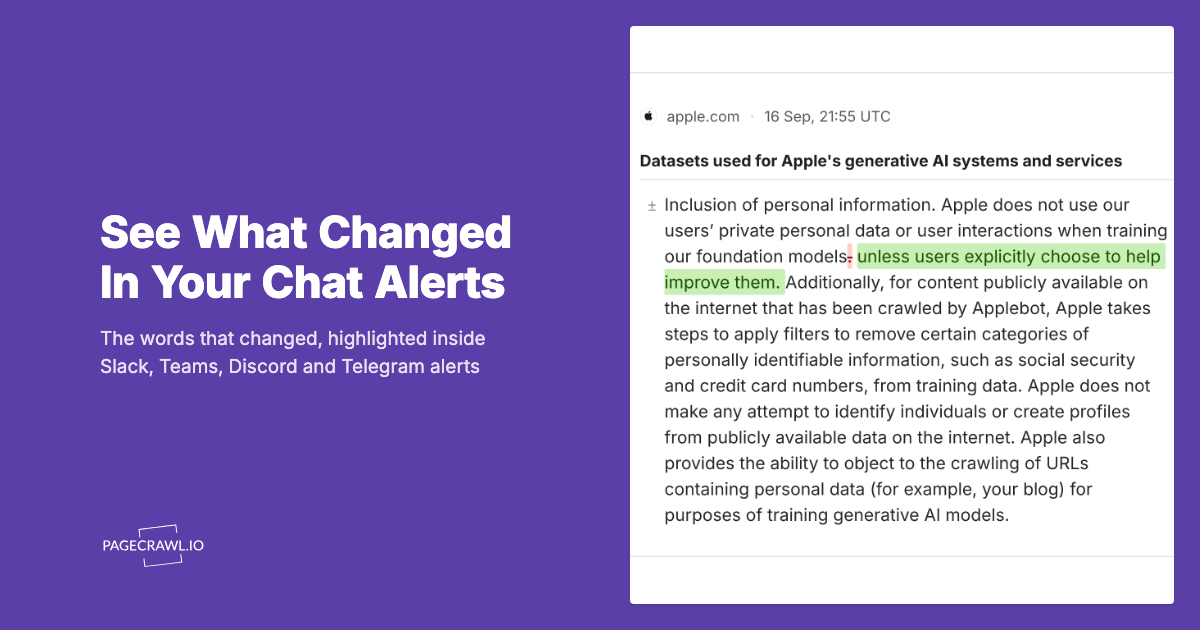
- Built-in notifications: Email, Slack, Discord, Telegram, webhooks, and more are available out of the box
- Historical data: All price changes are recorded with timestamps for analysis
- No maintenance: The service handles website changes, infrastructure, and updates
- Scaling: Monitor one product or hundreds with the same interface
For prices specifically, the help centre guide to tracking numeric values like prices and stock levels covers charts, thresholds, and how to alert only on a drop below a figure you choose.
Price monitoring (whether DIY or managed) is broadly accepted as a legitimate practice. You are observing publicly displayed information, similar to a shopper walking through stores comparing prices. No purchases are automated, no inventory is affected, and no terms of service are typically violated.
Web Scraping Bots
Web scraping bots extract data from websites at scale. While price monitoring checks individual pages for changes, scraping bots aim to collect large datasets.
What Scraping Bots Do
A scraping bot might:
- Extract product data (name, price, description, images) from thousands of pages on an e-commerce site
- Collect job listings from multiple job boards
- Gather real estate listings with prices and details
- Copy news articles or blog content
The goal is data collection rather than change detection or purchasing.
Scraping vs Monitoring
The key differences:
| Aspect | Scraping Bot | Monitoring Tool |
|---|---|---|
| Purpose | Extract large datasets | Detect changes on specific pages |
| Scale | Thousands to millions of pages | Specific target pages |
| Frequency | Often one-time or periodic bulk collection | Continuous scheduled checks |
| Output | Structured data export | Change notifications and history |
| Server impact | High (many pages, fast requests) | Low (few pages, spaced requests) |
| Legal risk | Higher (bulk data extraction) | Lower (observing public pages) |
Legal Status of Web Scraping
Web scraping legality is complex and evolving:
- Public data: Courts have generally held that scraping publicly accessible data is not a violation of computer fraud laws (hiQ Labs v. LinkedIn, 2022)
- Terms of service: Many websites prohibit scraping in their ToS, creating a contractual (not criminal) issue
- Copyright: Scraping and republishing copyrighted content violates copyright law
- Rate limiting and server impact: Aggressive scraping that degrades website performance can constitute a denial-of-service issue
- GDPR and privacy: Scraping personal data raises privacy law issues in jurisdictions with data protection regulations, including the EU's General Data Protection Regulation
The practical reality: scraping publicly available data for analysis is widely practiced, but the legal framework varies by jurisdiction and the specifics of what is scraped and how it is used.
How do monitoring tools differ from bots?
Monitoring tools observe and report; purchasing bots act on your behalf. A monitoring tool checks a page on a schedule, records what changed, and sends you an alert, leaving the decision and the click to you. That single difference is why monitoring stays clear of the terms-of-service, inventory, and fairness problems purchasing bots create.
Notification vs Automation
The fundamental difference: monitoring tools observe and notify. Bots act.
A monitoring tool tells you "the price dropped" or "the item is back in stock." You then decide what to do. A sneaker bot automatically purchases the item. A scraping bot automatically extracts and stores data.
Monitoring keeps humans in the loop. The tool provides information, and you make decisions. This is a crucial distinction for both ethical and practical reasons.
No Auto-Purchasing
Monitoring tools do not add items to carts, fill in payment information, or complete purchases. They watch product pages and report what they see. This means:
- No terms of service violations related to automated purchasing
- No competition with other shoppers for limited inventory
- No risk of accidental or unwanted purchases
- No need for payment information to be stored in the monitoring tool
When PageCrawl detects that a product is back in stock at Walmart or Amazon, it sends you a notification. You then visit the website yourself and decide whether to purchase.
Compliance-Friendly
Because monitoring tools observe rather than act, they are generally compliance-friendly:
- Retailer terms: Visiting a product page on a schedule and reading the displayed information is standard web browsing behavior, just automated
- Data protection: Monitoring public pages does not involve collecting personal data
- Consumer protection: No purchasing automation means no consumer protection concerns
- Competition law: Price monitoring is a standard business practice recognized in competition and trade law
Low Server Impact
Monitoring a specific set of pages on a reasonable schedule (every few hours) generates minimal server load. Compared to scraping bots that might request thousands of pages per minute, monitoring tools are barely noticeable in a website's traffic.
Do you need a monitoring tool or a bot?
If you want to be told when a price, stock status, or page changes, you need a monitoring tool. You only need a purchasing bot if you want software to complete a checkout for you, and you only need a scraper if you need bulk datasets. Here is how that plays out scenario by scenario.
You Want Price Drop Alerts
Use a monitoring tool. Set up price tracking on the products you care about and receive alerts when prices change. No need for purchasing automation, just information. See our guides on Amazon price tracking and competitor price tracking for detailed setup instructions.
You Want Stock Alerts
Use a monitoring tool. Monitor product pages for stock availability changes and restock alerts and get notified when items come back. The alert gives you time to purchase manually. For most products, restocks last long enough for human-speed purchasing.
You Want to Buy Limited-Release Products Automatically
This requires a purchasing bot, not a monitoring tool. Be aware of the ethical and legal considerations discussed earlier. Monitoring tools will tell you when the product is available, but they will not purchase it for you.
You Want to Extract Data from Thousands of Pages
This requires a scraping tool or API. Monitoring tools are designed for watching specific pages over time, not bulk data extraction. For extracting data from a manageable number of pages and turning websites into APIs, monitoring tools with API access can work. For true large-scale scraping, dedicated scraping services are more appropriate.
You Want to Track Competitor Website Changes
Use a monitoring tool. This is a core use case. Monitor competitor product pages, pricing pages, and marketing pages for changes. Receive notifications when they update anything. See our guide to monitoring competitor websites for comprehensive setup instructions.
You Want to Monitor Government or Regulatory Pages
Use a monitoring tool. Track government sites and public records for policy changes, recall announcements, regulatory updates, and procurement opportunities. Monitoring tools excel at watching specific pages for new content.
Common Bot Misconceptions
Several misconceptions about bots deserve clarification.
"All Bots Are Illegal"
Most types of bots are perfectly legal. Search engine crawlers, monitoring tools, chatbots, and automation tools are legal and widely used. Even some controversial bots (like sneaker bots for general retail) are not explicitly illegal in most jurisdictions, though they may violate terms of service.
The bots that are clearly illegal are those used for fraud (credential stuffing, payment fraud), attacks (DDoS), or activities covered by specific laws (ticket bots in jurisdictions with anti-bot ticket legislation).
"Bots Are Only Used by Technical People"
Modern monitoring tools require no technical skills. Adding a URL to a monitoring service and configuring email notifications is straightforward. The "bot" infrastructure runs on the service provider's side. You interact through a simple web interface.
DIY scripts require programming knowledge, but managed services have eliminated the technical barrier.
"Using a Bot Will Get You Banned"
This depends entirely on the type of bot and how it behaves. A monitoring tool that checks a product page every few hours generates less traffic than a human who visits the same page multiple times a day. Websites generally do not ban normal browsing patterns.
Aggressive bots that send hundreds of requests per minute, attempt to bypass security measures, or automate purchasing do risk account bans and IP blocks.
"Bots Are Cheating"
Monitoring prices and availability is not cheating any more than setting an alarm to check a store's opening time is cheating. You are using a tool to stay informed. The purchase decision and action remain entirely yours.
Sneaker bots that complete purchases before humans can even load the page operate on different ethical ground. The distinction matters.
The Future of Bots and Monitoring
The landscape of web automation continues evolving.
AI and Smarter Monitoring
Monitoring tools increasingly use AI to analyze page changes intelligently. Instead of just detecting that something changed on a page, AI-powered monitoring understands what changed and whether it matters. A price drop is flagged differently than a layout change. New content is summarized rather than just flagged as "changed."
PageCrawl's AI analysis, for example, interprets page changes and provides context in notifications, helping you understand not just that something changed but what the change means. Its noise filtering separates meaningful updates (a price drop, a stock status change, new content) from irrelevant page shifts (ad rotations, layout tweaks, timestamp updates), as described in the overview of AI-powered change detection and smart filtering. This means you receive alerts only when something worth your attention actually happens, not every time a page renders slightly differently.
Retailer Defenses Evolving
Retailers continue investing in bot detection and prevention. This primarily affects purchasing bots and aggressive scrapers. Monitoring tools that behave like normal users (visiting pages at reasonable intervals, not attempting to purchase) are generally unaffected by these defenses.
The trend is toward better distinguishing between harmful bots (inventory hoarding, fraud) and benign automation (monitoring, indexing). This benefits monitoring tool users as retailers become better at targeting actually harmful behavior.
Regulatory Development
Legislation around bots is expanding beyond the BOTS Act for tickets. Future regulation may more clearly define boundaries between legitimate monitoring, acceptable scraping, and prohibited automated purchasing. The trend favors monitoring tools, which are the most clearly benign category of web automation.
Integration and Workflow Automation
The future of monitoring is deeper integration with business workflows. Price change detected leads to automatic competitor analysis leads to pricing recommendation. Stock alert triggers purchasing workflow with human approval. These integrations use monitoring as a trigger for broader business automation, keeping humans in decision-making roles while automating the information gathering.
Choosing your PageCrawl plan
PageCrawl's Free plan lets you monitor 6 pages with 220 checks per month, which is enough to validate the approach on your most critical pages. Most teams graduate to a paid plan once they see the value.
| Plan | Price | Pages | Checks / month | Frequency |
|---|---|---|---|---|
| Free | $0 | 6 | 220 | every 60 min |
| Standard | $8/mo or $80/yr | 100 | 15,000 | every 15 min |
| Enterprise | $30/mo or $300/yr | 500 | 100,000 | every 5 min |
| Ultimate | $99/mo or $999/yr | 1,000 | 100,000 | every 2 min |
Annual billing saves two months across every paid tier. Enterprise and Ultimate scale up to 100x if you need thousands of pages or multi-team access.
If monitoring helps you buy one in-demand product at retail price instead of paying resale markup, Standard at $80/year pays for itself on a single purchase. 100 monitored pages covers every major retailer, brand site, and reseller you want to track, plus the stock, price, and shipping status pages for items you are actively waiting on. The 15-minute check frequency catches most restocks before they sell out again, which is the practical advantage monitoring has over manual refreshing.
Getting Started with Monitoring (Not Botting)
If you have been considering a "bot" for price tracking, stock alerts, or competitive monitoring, what you actually need is a monitoring tool.
Start with 3-5 URLs you want to watch. These might be products you want to buy, competitor pages you want to track, or information pages you need to stay current on. Add them to PageCrawl, configure your preferred notification channel, and let automated monitoring work for you.
PageCrawl's free tier (6 monitors) covers most individual monitoring needs. The Standard plan ($80/year, 100 monitors) works for active shoppers and small businesses tracking competitors. The Enterprise plan ($300/year, 500 monitors) supports business-scale competitive intelligence and multi-product monitoring programs.
No purchasing automation. No data scraping. No ethical gray areas. Just a tool that watches public web pages and tells you when something changes. That is what most people actually need, and it works better than any bot for the use cases that matter.